The Shared-Login Accountability Gap: When Everyone Logs In As Admin and No One Knows Who Did What
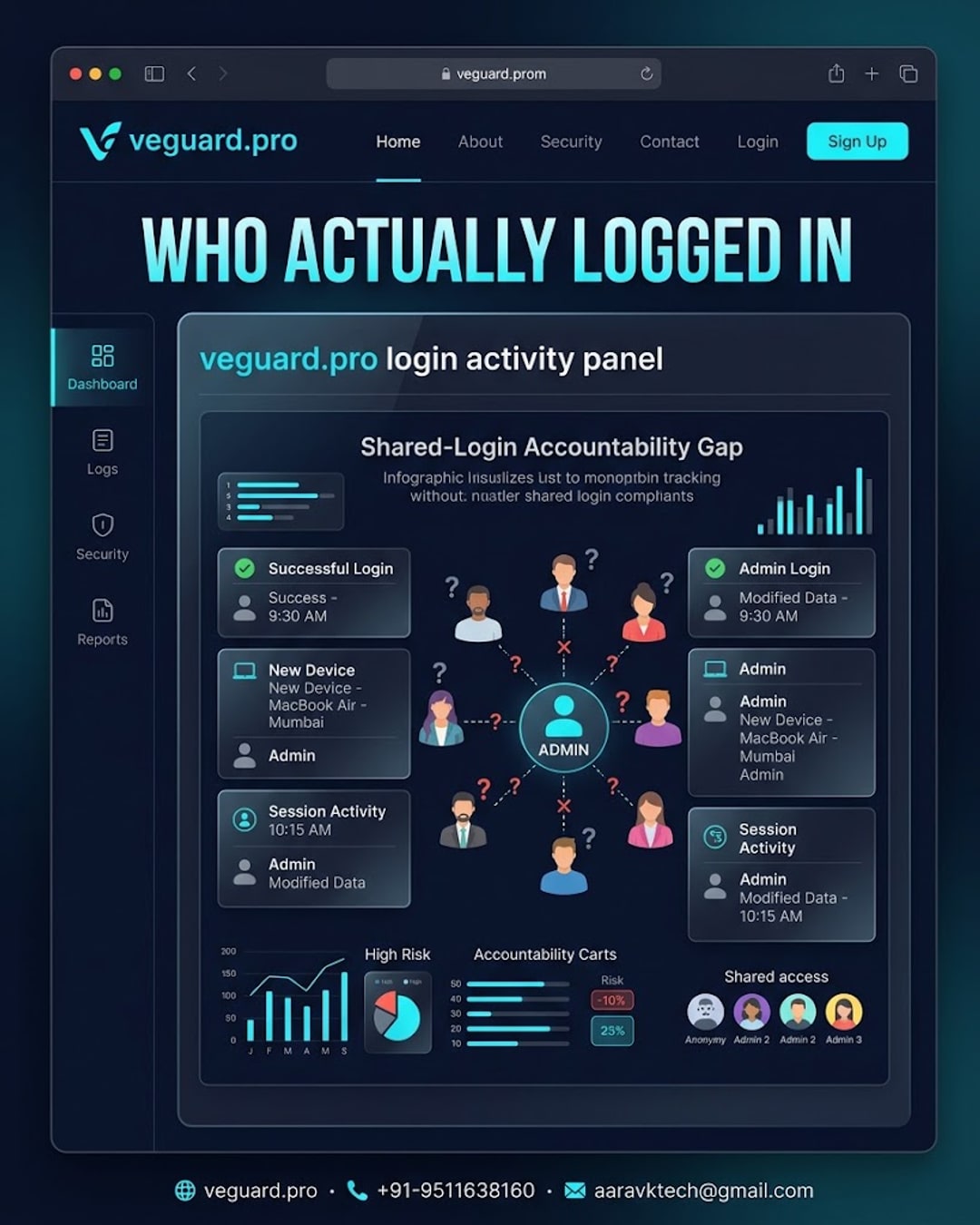
Who Actually Logged In? Solving the Shared-Password Accountability Gap
If your team shares one login for your website admin, CRM, or internal tools, you already know the pattern: something changes, a setting gets flipped, a file goes missing, and when you ask around, nobody remembers doing it. This is the shared-login accountability gap, and it quietly affects far more small and growing businesses than most owners realize.
Why Shared Logins Happen In The First Place
Most small teams don't set out to build weak account hygiene. It usually starts practically: buying individual seats for every tool is expensive, onboarding a new hire is faster with an existing password, and nobody wants to be the bottleneck asking IT for new credentials. Over time, one login becomes five people's daily habit, and visibility quietly disappears.
The Real Cost Of Not Knowing Who Did What
The issue isn't just security paranoia. It's operational. When a client's data changes unexpectedly, when a discount code gets misused, or when a critical file is deleted, the first question anyone asks is who was logged in. Without any record, that question goes unanswered, trust erodes internally, and fixing the actual problem takes longer because you're troubleshooting blind.
What Better Visibility Actually Looks Like
This is where a monitoring layer like veguard.pro fits in. Instead of trying to force every employee onto separate paid logins overnight, veguard.pro focuses on giving you visibility into supported login and activity events — things like successful logins, new devices, and session activity — pulled into one central dashboard. You're not blocking anyone or locking things down aggressively; you're simply making the invisible visible.
Monitoring Is Not The Same As Surveillance
It's worth separating this from a culture of distrust. The goal of activity monitoring isn't to police your team's every move — it's to have a record you can check when something genuinely needs explaining. Most days, you won't even open the dashboard. But the one day something does go wrong, having activity logs turns a frustrating guessing game into a five-minute lookup.
Starting Small Without Overhauling Your Stack
You don't need a dedicated security hire or a complex rollout to start closing this gap. A monitoring platform that sits alongside your existing website, systems, and user logins — without demanding you change how your team already works — is usually the more realistic first step for a small or growing business.
My Take
If you're a small business or startup still sharing one or two logins across your team, don't jump straight into a full identity-management overhaul — that's often overkill and expensive for where you are. Start with visibility first: a platform like veguard.pro that shows you supported login and activity events gives you the accountability you're missing without disrupting how your team already operates. Once you actually see the gap, deciding whether you need separate logins for everyone becomes a much easier, evidence-based call.
🌐 veguard.pro · 📞 +91-9511638160 · 📧 aaravktech@gmail.com